Neoenergia has launched the largest investment cycle in the history of its Brasília electricity concession, committing R$3.1 billion—approximately US$610 million—between 2026 and 2030 to expand and modernise Brazil’s Federal District power network.
The Iberdrola subsidiary plans to increase network capacity, build and expand substations, add high-voltage lines and accelerate digitalisation. The programme is intended to improve reliability for more than 1.3 million customers while preparing the region for higher electricity demand and wider electrification.
Investment more than doubles the previous cycle
The R$3.1 billion programme represents a 118% increase compared with Neoenergia Brasília’s previous investment cycle. Its main components include:
- R$3.1 billion of spending through 2030
- Construction and expansion of five substations
- Approximately 132km of new high-voltage lines
- Reinforcement of local distribution infrastructure
- Greater automation and digital monitoring
- Service improvements for more than 1.3 million customers
The scale reflects the changing role of electricity networks. Distribution companies are no longer focused only on maintaining existing assets; they must create capacity for new loads, distributed generation, electric mobility and renewable projects.
Guará 2 provides the first major delivery
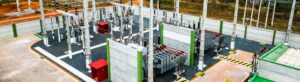
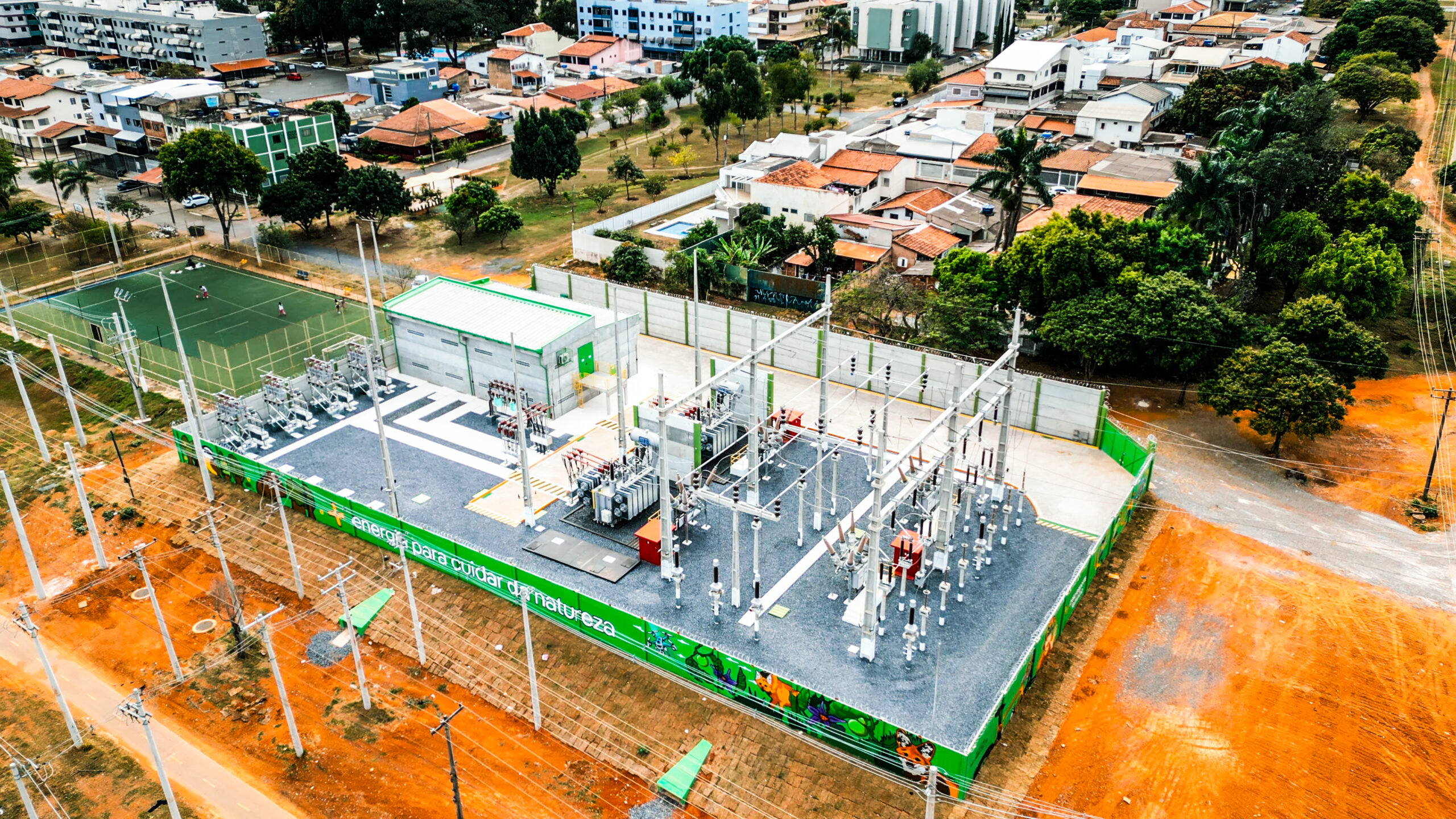
The programme coincides with the completion of the Guará 2 substation, the first major infrastructure project connected with the new investment cycle. Neoenergia invested R$32 million in the facility.
Guará 2 adds approximately 66.6MVA of capacity and is expected to benefit around 180,000 residents. New systems are designed to identify and isolate faults more quickly, helping reduce restoration times when sections of the network are disrupted.
André Santos, Chief Executive Officer of Neoenergia Brasília, said in a verified excerpt: “We are embarking on a new cycle of transformation for the Federal District’s electrical infrastructure. These investments will expand the grid’s capacity…”
Grid expansion supports renewable growth
Electricity networks are becoming a critical constraint in the energy transition. Solar farms, wind projects, battery storage, electric vehicles and distributed rooftop systems all depend on adequate transmission and distribution capacity.
Without investment in substations, high-voltage lines and digital grid management, new generation can face connection delays while growing demand increases stress on existing equipment. Neoenergia’s programme therefore provides enabling infrastructure for multiple future assets rather than supporting only one power project.
ENERGYBYT’s Power & Grid desk follows the network upgrades, generation resources and technologies reshaping electricity systems. Digital monitoring is especially important because it helps operators detect faults, balance changing flows and manage a network with more decentralised generation.
Why it matters
Brazil is adding renewable generation and electrifying more economic activity. That expansion requires network spending to move alongside investment in generation. A weak or congested distribution system can limit the value of new solar, wind and storage capacity even when those projects are ready to operate.
The Federal District programme combines physical expansion with digitalisation. New lines and substations increase capacity, while automation can improve reliability and make the system more responsive. Together, these investments can support energy security, population growth and cleaner electricity use.
For Neoenergia, regulated distribution infrastructure is becoming a central long-term investment platform. For customers, the practical measures will be fewer interruptions, faster restoration and enough network capacity for future connections.
What happens next
Implementation will run through 2030. Progress will be measured through the delivery of the five substation projects, construction of the planned 132km of high-voltage lines and deployment of digital systems across the concession.
Regulatory execution, construction schedules and demand growth will determine how quickly the investment translates into improved service. The Guará 2 substation provides an early operating asset against which future deliveries can be assessed.