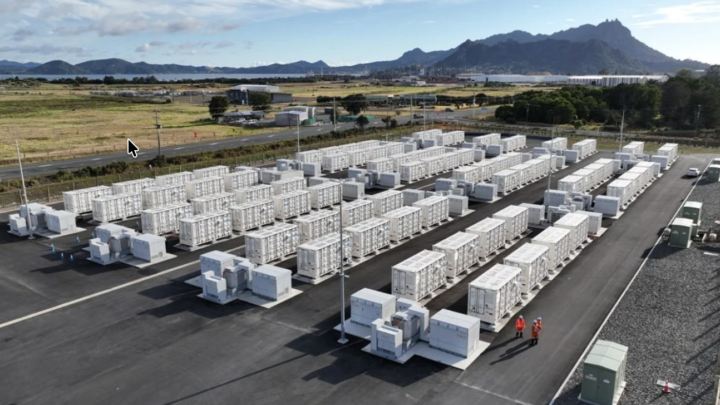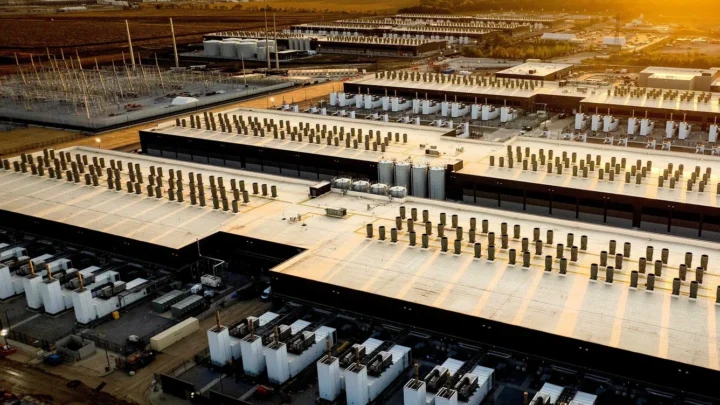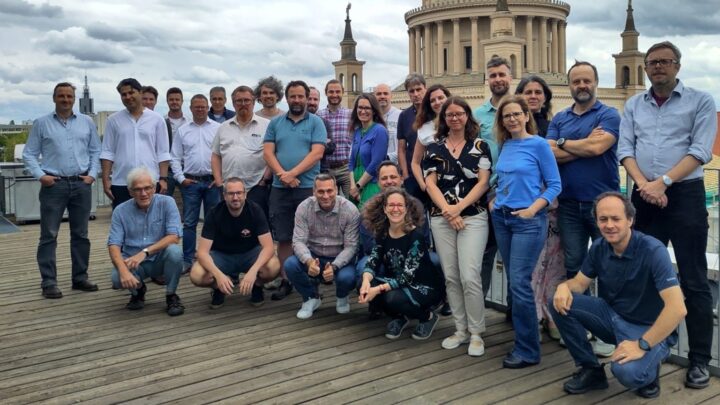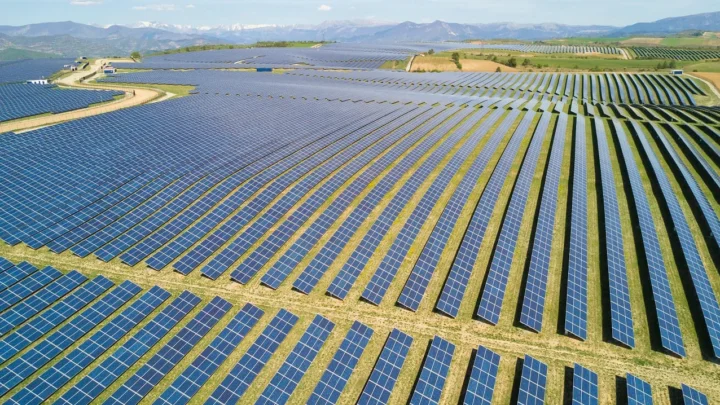
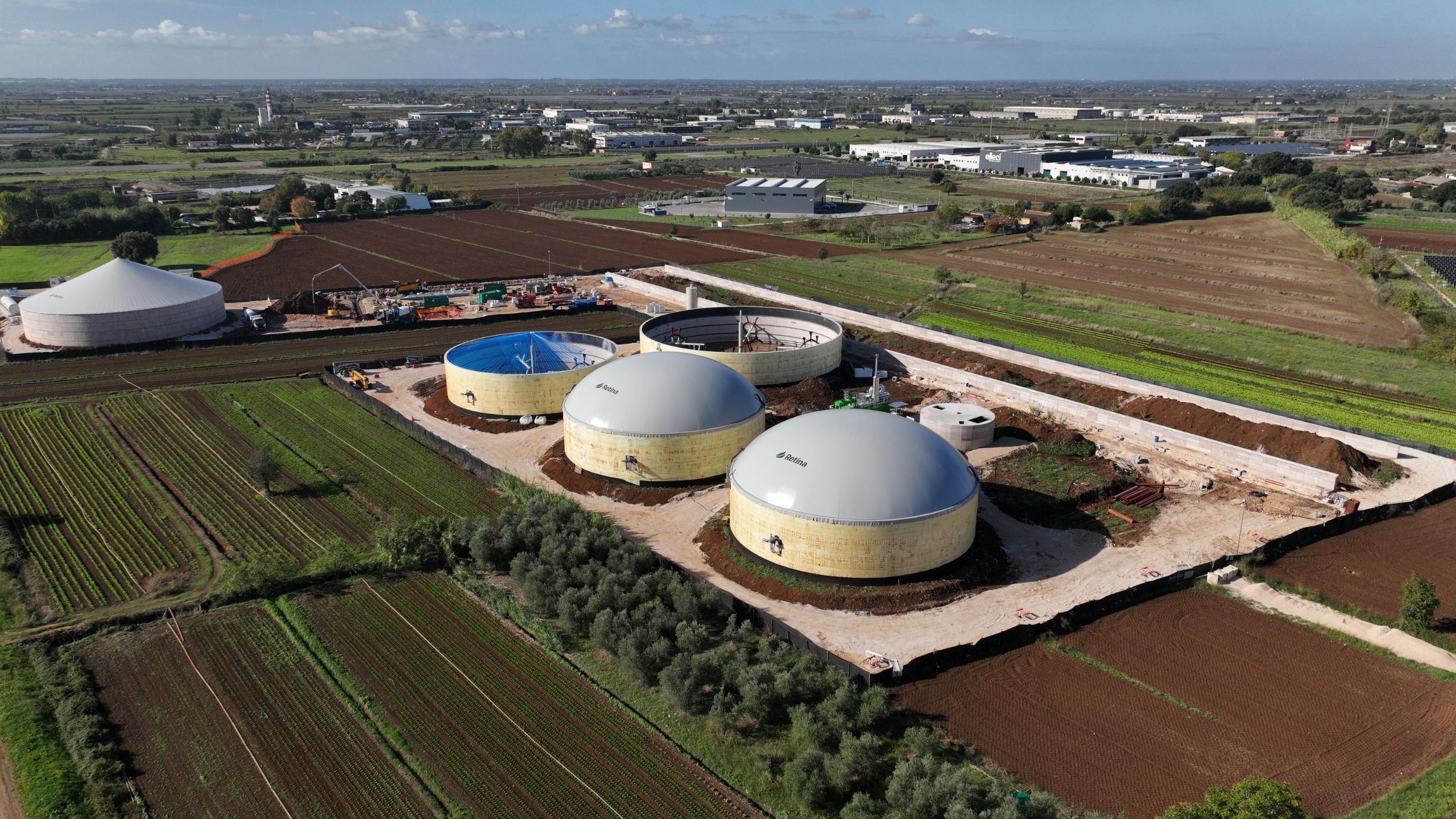
The Retina biomethane platform has secured approximately €355 million in financing to advance a second cluster of ten greenfield biomethane plants in southern Italy. The transaction gives the platform capital to move another portfolio of physical renewable-gas assets through construction.
The plants are being developed by Retina SCA with Eren Industries and Actarus Renewables. The model combines biomethane production with biogenic carbon-dioxide recovery and organic fertiliser manufacturing, creating several products from agricultural and livestock waste.
€355m financing supports ten new plants
The latest package follows an earlier €238 million financing for Retina’s first cluster. Construction of the second group began in May 2026, indicating that the programme has moved beyond development planning into physical delivery.
The facilities are designed around:
- Agricultural biomass and livestock-waste feedstocks
- Production of renewable natural gas
- Direct injection into Italy’s national gas grid
- Recovery of biogenic CO₂
- Production of organic fertiliser
- A ten-plant greenfield portfolio in southern Italy
Using multiple outputs can improve resource efficiency and diversify project revenue. Feedstocks that would otherwise create disposal or emissions challenges can support energy production, carbon recovery and agricultural products.
European banks back infrastructure-scale biomethane
The financing consortium includes UniCredit, ING and Société Générale. Italy’s SACE supports the transaction through its Garanzia Archimede public guarantee.
Retina SCA originated the developments, while Actarus Renewables and Eren Industries supported the equity raise and provide strategic and operational expertise. The structure combines project sponsors, commercial lenders and a public guarantee to finance a portfolio rather than a single small plant.
Franco Torra, Director General of Retina, said: “The launch of this second development phase marks another important milestone in Retina’s industrial growth.”
Italy’s biomethane market moves toward scale
The second cluster builds on ten plants in Retina’s first portfolio, where construction began in September 2024. A further ten facilities substantially increases the platform’s exposure to renewable gas, agricultural circularity and recoverable biogenic carbon.
Biomethane can be injected into existing gas networks and used by customers that are difficult to electrify directly. This gives it a different system role from intermittent renewable power: the fuel can use established pipeline and storage infrastructure while displacing part of the fossil-gas supply.
ENERGYBYT’s Others desk covers emerging fuels and low-carbon infrastructure. Retina’s model also complements the waste-to-energy pathway examined in ENERGYBYT’s report on Convertus Group’s biomethane financing.
Why it matters
Biomethane projects require capital for feedstock handling, digesters, gas upgrading, grid connections, carbon-recovery equipment and environmental systems. Securing €355 million demonstrates that lenders are prepared to assess a multi-plant portfolio as long-duration infrastructure.
The transaction may also offer a repeatable financing approach for other developers. Bundling several facilities can diversify construction and operating risk, while public guarantees can make large investment programmes more attractive to commercial banks.
For southern Italy, the plants could create local demand for agricultural residues and livestock waste while producing domestic renewable gas. Their broader impact will depend on sustainable feedstock sourcing, methane-leakage controls and reliable grid injection.
What happens next
Construction progress, commissioning dates and the production capacity of individual plants will determine how quickly the financing converts into operating renewable-gas supply. The first milestones will include completion of civil works, installation of digestion and upgrading systems, and connection to the national gas network.
Attention will also focus on the volume of biomethane injected, the markets served by recovered biogenic CO₂ and the quality of organic fertiliser. Successful delivery of the second cluster could strengthen Retina’s case for additional portfolio financing in Italy and elsewhere in Europe.