
Cornish Lithium has secured a £7.2 million UK Government grant to advance drilling and demonstration work at its Cross Lanes geothermal lithium development in Cornwall.
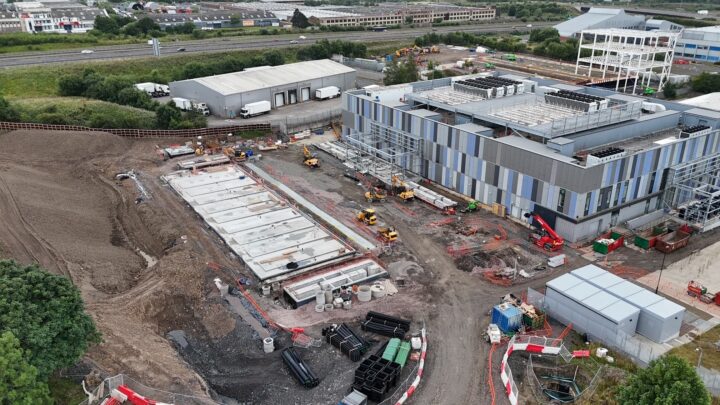
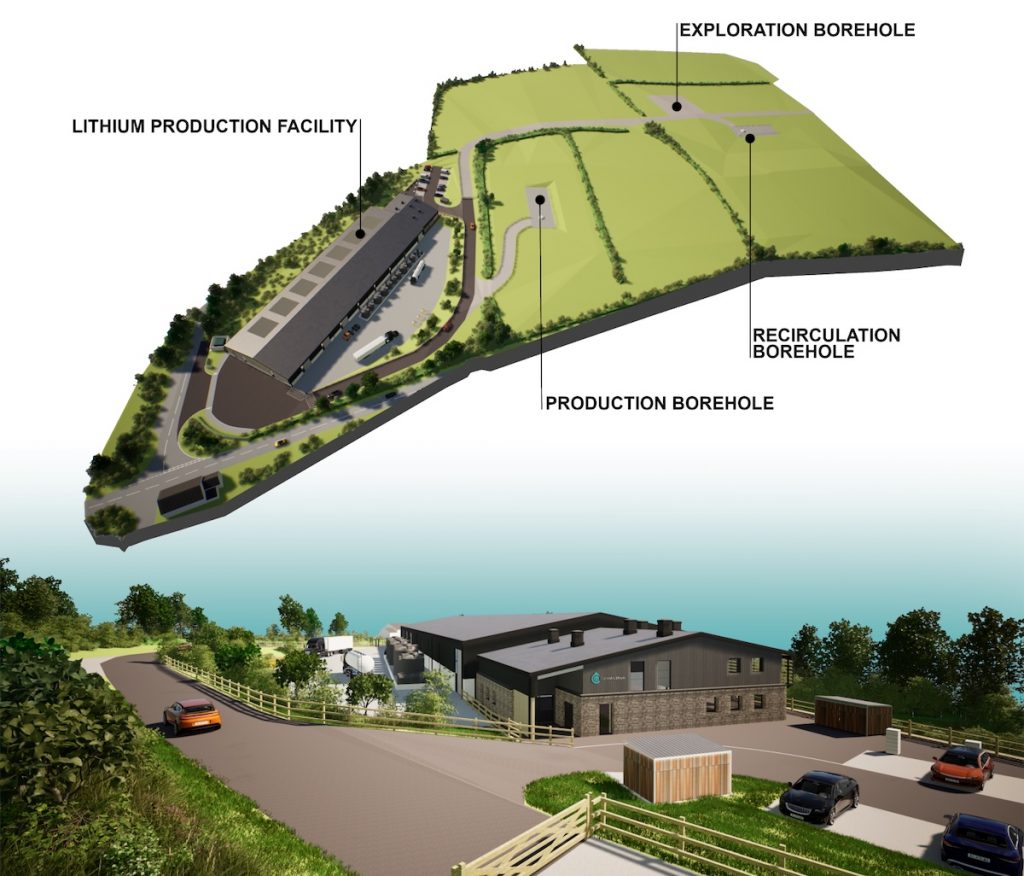
The funding from the DRIVE35 programme will support new geothermal production wells, direct lithium extraction testing and additional appraisal work as Cornish Lithium moves the project closer to a future investment decision.
Funding Unlocks Two New Geothermal Wells
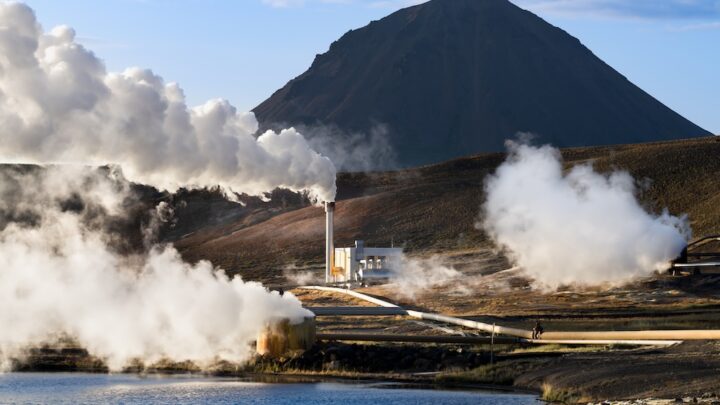
Cross Lanes is designed to recover lithium from naturally occurring geothermal waters rather than conventional hard-rock mining.
Exploration drilling completed in 2023 confirmed geothermal fluid at approximately 70°C with lithium concentrations of around 100 parts per million.
Geothermal Heat and Lithium Converge
The development sits at the intersection of two strategic energy sectors.
Geothermal brines provide underground heat while also carrying dissolved minerals such as lithium. Direct Lithium Extraction technologies aim to selectively recover lithium from those fluids without relying on large evaporation ponds or traditional mining methods.
That could create a model where geothermal infrastructure and critical-mineral production develop together.
“This grant is further recognition that Cornwall is at the heart of the UK’s clean energy ambitions.” said Jamie Airnes, CEO of Cornish Lithium.
Project Targets Domestic Battery Supply
Cornish Lithium says its projects could eventually contribute nearly 40% of the UK Government’s domestic lithium-production target.
Lithium remains a critical material for electric-vehicle batteries and energy-storage systems, making domestic supply an increasingly important component of industrial and energy-security policy.
The company also estimates its wider development programme could contribute £3.8 billion to Cornwall’s economy over 25 years while supporting more than 700 long-term jobs.
Grant Moves Project Toward Commercial Decision
The £7.2 million award is important because Cross Lanes is moving beyond early geological exploration.
Drilling production-scale wells and operating a DLE demonstration facility will provide the technical information needed to evaluate whether the resource can support commercial production.
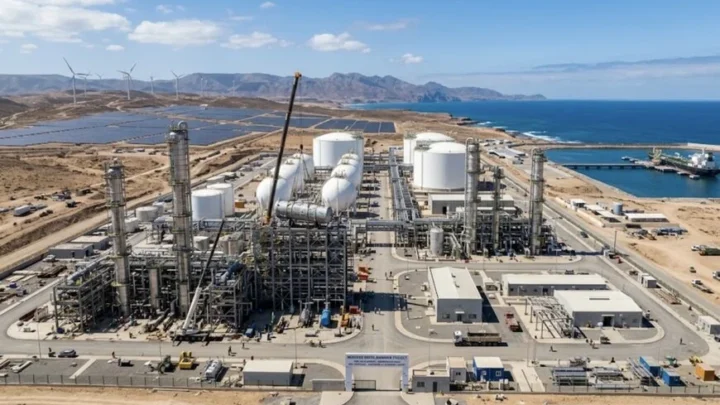
If successful, the project could establish a replicable network of modular geothermal lithium facilities across Cornwall.
That would give Cross Lanes significance beyond its individual site: it could demonstrate how geothermal resources can support both renewable heat and strategic battery-material production within the same subsurface system.