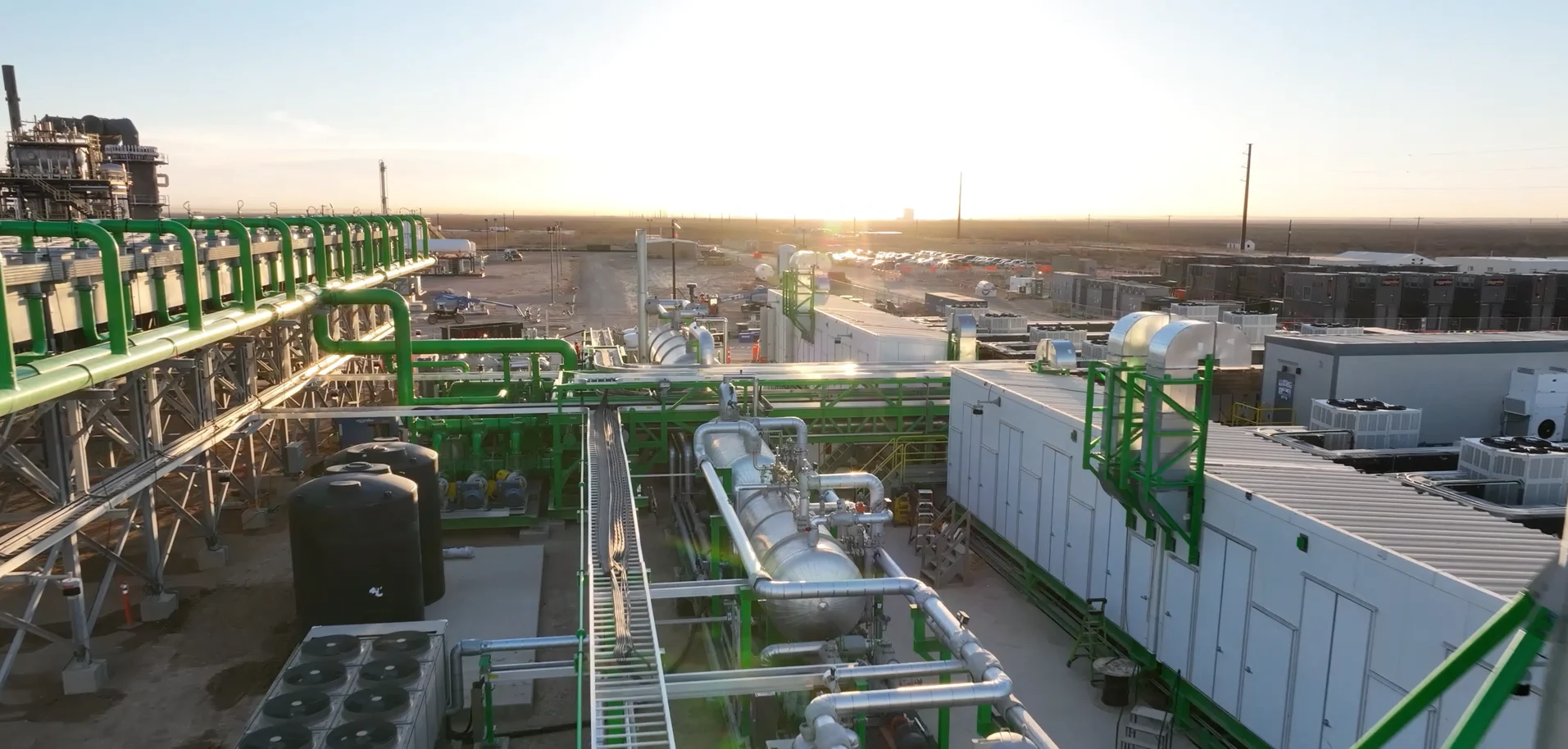
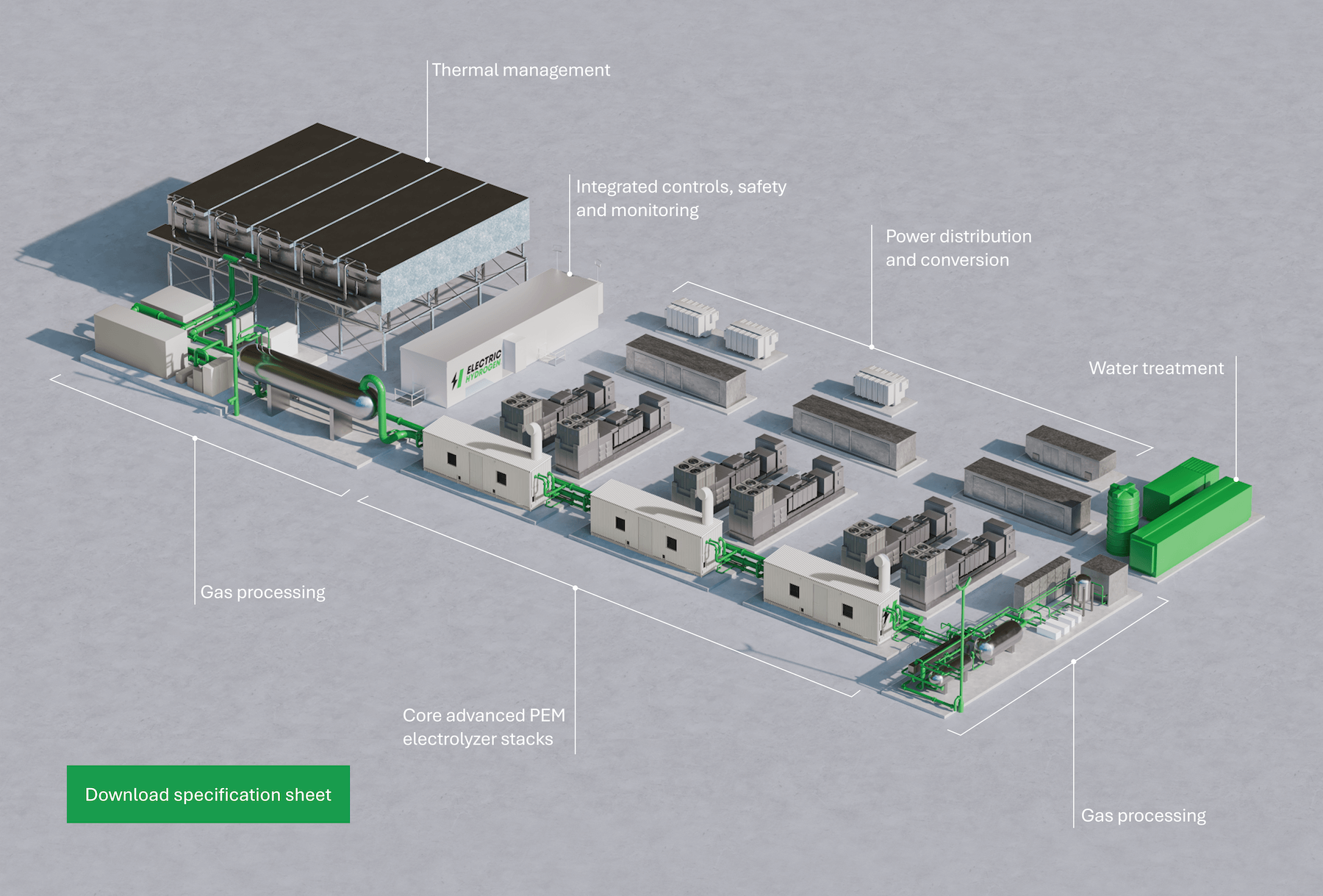
Perdaman has selected Electric Hydrogen as preferred electrolyser vendor for Project Helios in Karratha, Western Australia, advancing a major renewable-hydrogen development intended to decarbonise fertiliser production.
Australia’s Renewable Energy Agency lists Perdaman Helios at 750MW of electrolysis under the Hydrogen Headstart Round 2 shortlist. Perdaman’s current Phase 2 concept is expected to include more than 1GW of solar PV and produce over 120 tonnes of green hydrogen per day for use by its Project Ceres ammonia and urea complex.
Preferred Vendor Selection Advances the Electrolyser Package
Perdaman and Electric Hydrogen have already been working together on early engineering under a pre-FEED agreement. The move to preferred-vendor status means the technology provider has progressed beyond initial evaluation and into the next stages of project development.
“Project Helios is the next step in that journey, advancing the decarbonisation of Australian industry through clean, Australian-made hydrogen.” — Vikas Rambal, Chairman, Perdaman
Project Ceres Creates a Built-In Industrial Customer
Project Helios is strategically linked to Perdaman’s Project Ceres fertiliser development in the Pilbara. Ceres represents an approximately AUD6.45 billion investment and is designed to become a major domestic ammonia and urea manufacturing facility.
Hydrogen is a core feedstock for ammonia. Conventional fertiliser plants generally obtain it from natural gas, creating significant carbon emissions. Renewable hydrogen can replace part of that fossil-derived supply while using the same downstream ammonia and urea value chain.
This gives Helios an advantage over projects that still need to identify future buyers: Perdaman is developing the hydrogen system alongside a large industrial consumer with an inherent requirement for the molecule.
Hydrogen Headstart Could Support Commercial Scale-Up
ARENA shortlisted Project Helios for the second round of Australia’s Hydrogen Headstart programme. The programme is designed to provide production-based support that can help bridge the difference between renewable-hydrogen costs and achievable market prices.
Being shortlisted does not guarantee an award, but it places Helios among a limited group of advanced Australian hydrogen projects undergoing further assessment.
The 750MW listing is materially larger than most operating electrolysis facilities today, making technology selection and standardised plant design important to execution.
Large-Scale Electrolysis Anchors Project Helios
Project Helios combines three elements that are often missing from early hydrogen proposals: a defined industrial customer, a selected technology partner and a potential government support pathway.
It also targets one of the most credible near-term markets for renewable hydrogen. Fertiliser plants already consume hydrogen at industrial scale, so decarbonisation can focus on replacing an existing feedstock rather than creating entirely new end-use demand.
If developed at the proposed scale, Helios would become a significant demonstration of how renewable electricity, large-scale electrolysis and industrial ammonia production can be integrated in one regional energy system.
Vendor Selection Moves Engineering Toward Delivery
Perdaman and Electric Hydrogen will continue engineering work on the electrolyser package while the project progresses through the Hydrogen Headstart process.
Preferred-vendor status is not a final investment decision or construction order. The milestones to watch are completion of engineering, government funding decisions, commercial contracting, final project configuration and FID.
If those steps are completed successfully, Project Helios could move from one of Australia’s largest proposed hydrogen developments into a physical supply project directly linked to domestic fertiliser production.