The UPLIFT consortium has launched a four-year Horizon Europe programme to demonstrate safer and more commercially viable Enhanced Geothermal Systems across Europe.
Running from May 2026 to April 2030, the programme will conduct a field-scale demonstration at the RINGEN geothermal research site in Litoměřice, Czechia. The work is designed to improve reservoir productivity while reducing seismic, environmental, technical and social risks.
RINGEN Will Host the Field-Scale Demonstration
Enhanced Geothermal Systems aim to recover heat from hot underground rocks where natural permeability is insufficient for conventional geothermal production. Stimulation can create the necessary fluid pathways, but it also introduces engineering challenges and the possibility of induced seismicity.
UPLIFT will test an integrated approach at one of Europe’s leading geothermal research infrastructures. Its objectives include improving reservoir access, validating safe productivity-enhancement methods and demonstrating a pathway towards commercially viable EGS deployment.
Adaptive Stimulation Links Injection to Seismic Monitoring
A central part of the programme is an adaptive stimulation system that continuously adjusts injection parameters in response to real-time seismic data. The goal is to maximise useful permeability while identifying and managing potentially critical seismic behaviour before risks escalate.
The work will combine advanced drilling, hydraulic and chemical stimulation, reservoir engineering, high-resolution monitoring and physics-based digital twins. Researchers will also compare water-only and proppant-based treatments to determine how different methods perform under European geological conditions.
Eight Partners Combine Research and Industry Expertise
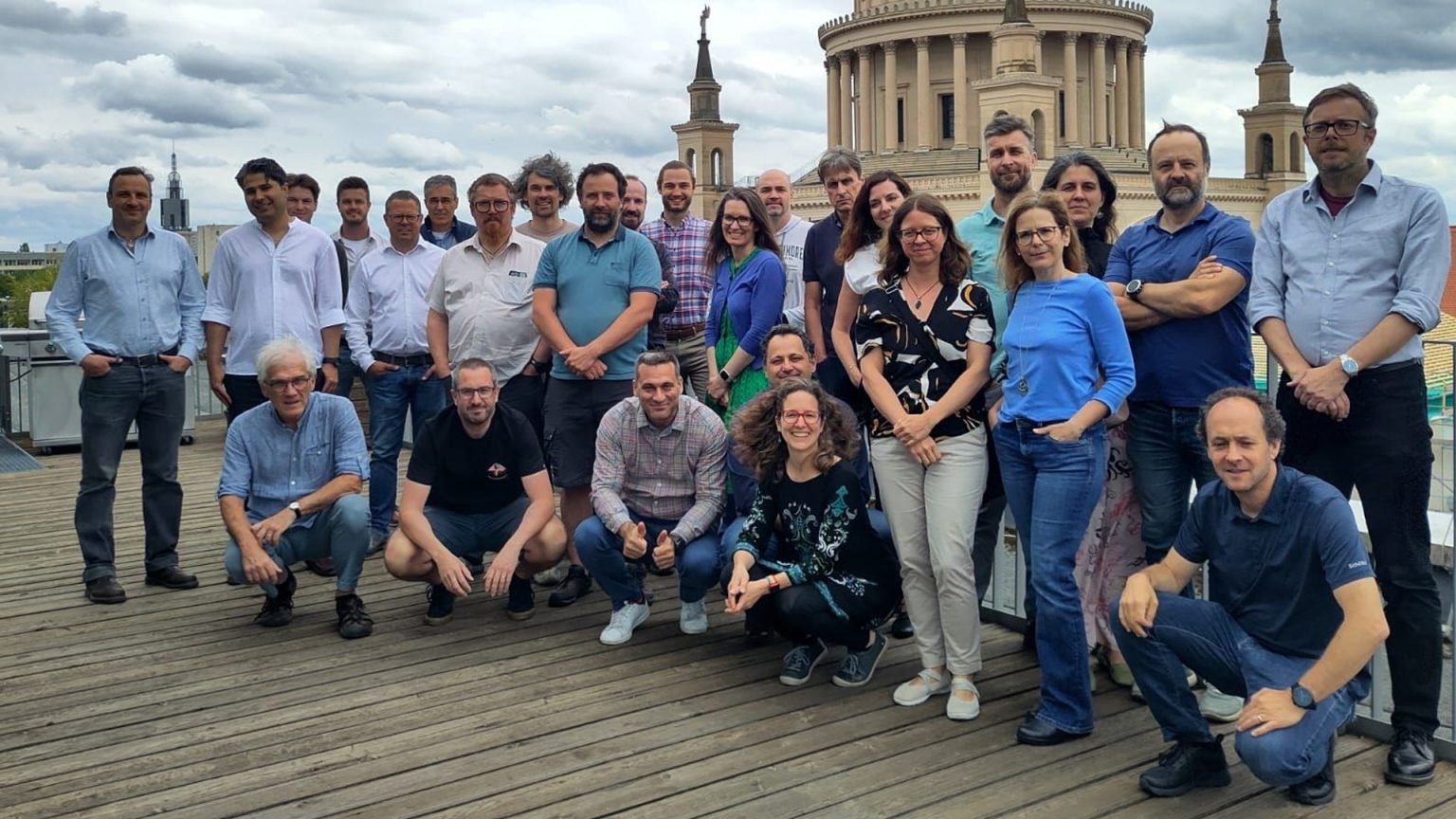
The project is coordinated by the GFZ Helmholtz Centre for Geosciences. Its consortium also includes Charles University, Geo-Energie Suisse, Fraunhofer IEG, Solexperts, the Fraunhofer-Chalmers Centre, the European Federation of Geologists and ETH Zürich.
The partners bring together drilling, geomechanics, modelling, seismic monitoring and stakeholder-engagement capabilities. This multidisciplinary structure reflects the need to solve technical issues while building regulatory confidence and public acceptance.
EGS Could Broaden Europe’s Geothermal Resource Base
Conventional geothermal development is concentrated in areas with naturally productive reservoirs. EGS could extend reliable renewable heat and electricity production to regions where underground temperatures are suitable but natural flow is limited.
UPLIFT’s commercial relevance therefore lies in risk reduction. If the RINGEN demonstration delivers higher productivity with controlled seismic performance and lower stimulation costs, it could support investment in a wider European project pipeline.
The programme will also help establish operating evidence suited to Europe’s geology, regulation and population density. That evidence is essential if enhanced geothermal systems are to progress from research facilities towards repeatable commercial deployment.