Adani Energy Solutions has won a transmission project requiring estimated capital expenditure of around ₹4,700 crore to move renewable electricity into Maharashtra and support up to 4.5GW of pumped-storage potential around Satara, Pune and the Mumbai Metropolitan Region.
The company secured the Network Expansion Scheme in Western Region to Cater to Pumped Storage Potential near Satara — Part A through tariff-based competitive bidding. The project will be housed in Satara Power Transmission Limited and is scheduled for completion within 36 months.
New Corridor Adds 562 Circuit Kilometres
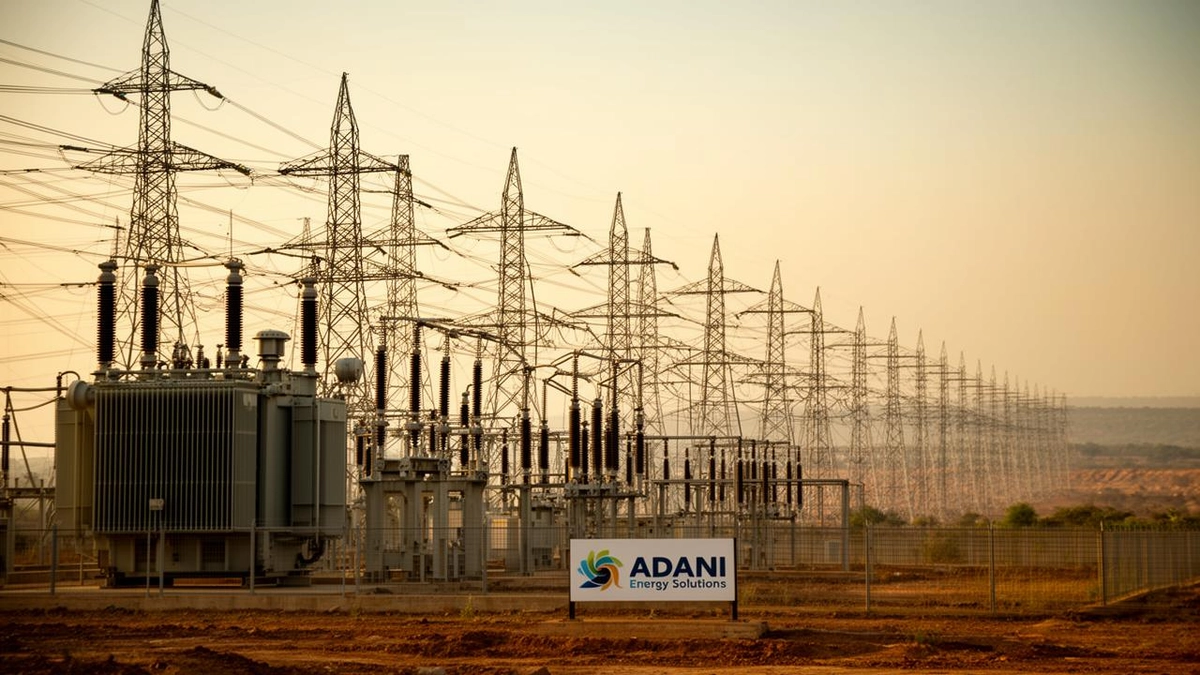
The scheme will add approximately 562 circuit kilometres of transmission lines and 9,000 MVA of transformation capacity to Adani Energy Solutions’ network. Major elements include a new 765/400kV substation at Satara, a 765kV double-circuit link between Kolhapur and Satara and augmentation of the Kolhapur pooling station.
The infrastructure is designed to strengthen electricity flows between India’s southern and western grids. Renewable electricity generated in Karnataka can be moved toward major Maharashtra load centres while the same network supports storage projects being developed closer to demand.
Transmission has become one of the central constraints on renewable deployment. Building solar, wind or storage capacity has limited value if the grid cannot move electricity from resource-rich regions to cities and industrial users when required.
Pumped Storage Drives a New Grid Requirement

The project is closely linked to Maharashtra’s growing pumped-storage pipeline. Pumped hydro can absorb electricity when renewable generation is abundant and release it later by moving water through turbines, giving the grid multi-hour or longer-duration flexibility.
Connecting several gigawatts of storage requires substantial transformation and transmission capacity. Adani Energy Solutions says the Satara scheme is designed to facilitate evacuation associated with up to 4,500MW of pumped-storage potential while strengthening the inter-regional corridor.
“The Satara transmission project will create a vital backbone for renewable energy evacuation and energy storage deployment.” — Kandarp Patel, Chief Executive Officer, Adani Energy Solutions
The relationship between transmission and storage is increasingly important as India adds variable solar and wind capacity. Storage can shift renewable electricity across time, while high-voltage networks shift it across geography. Large-scale decarbonisation requires both functions to expand together.
₹85,000 Crore Order Book Signals Grid Buildout
The award takes Adani Energy Solutions’ transmission order book to approximately ₹85,000 crore, according to the company. Its network is expected to expand further as India develops new renewable-energy zones and connects them to high-demand regions.
India is targeting 500GW of non-fossil generation capacity by 2030. Meeting that target requires not only generation projects but substations, transmission lines and grid-management infrastructure capable of handling increasingly variable power flows.
The Satara project is therefore infrastructure behind the renewable buildout rather than another generation asset. Its economic role is to unlock other investments by giving renewable and storage developers a pathway to deliver electricity to customers.
Thirty-Six-Month Delivery Window Sets Execution Test
Adani Energy Solutions now has a three-year delivery window for the project. Construction will involve high-voltage lines, substation development and upgrades across a corridor that must integrate with existing grid infrastructure.
Completion will increase Maharashtra’s ability to receive renewable electricity from Karnataka while enabling pumped-storage projects around Satara and nearby demand centres. The key measure of success will be whether transmission capacity arrives in time to match the commissioning schedules of the generation and storage projects it is intended to support.