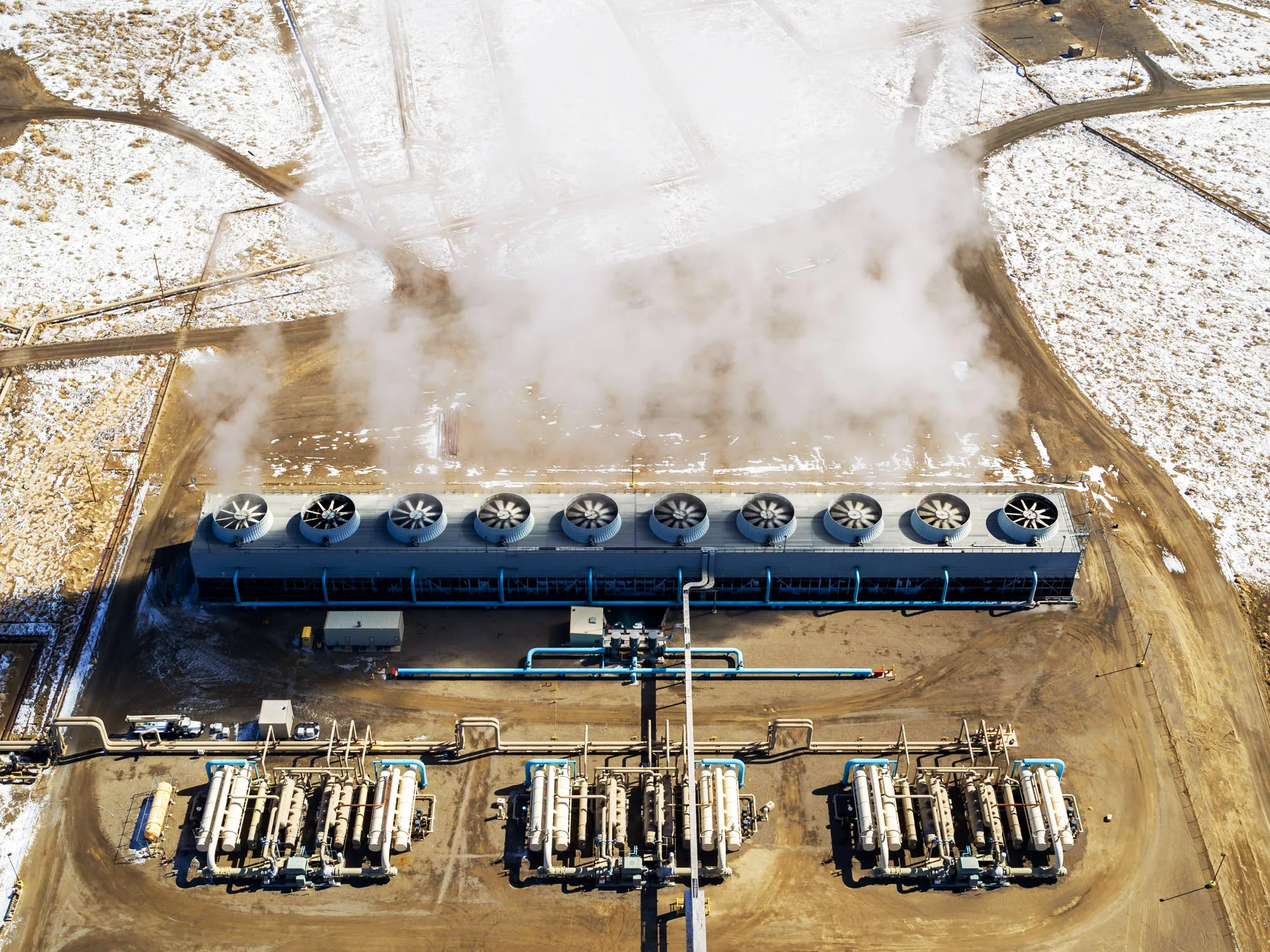
The City of Novi Sad is advancing plans for a 30MW geothermal district-heating plant in the future Mišeluk neighbourhood, moving the Serbian project beyond early feasibility work. Geological surveys, an exploration well and parts of the heat-distribution infrastructure have already been completed.
The initiative is supported by the United Nations Development Programme in Serbia and Slovakia. If successfully delivered, Mišeluk could offer a replicable model for other Serbian municipalities seeking reliable low-carbon heat.
The first phase targets 11MW
The full development is designed for approximately 30MW, but implementation is expected to begin with an initial 11MW phase. Current plans indicate that the first stage could become operational during 2027 or 2028.
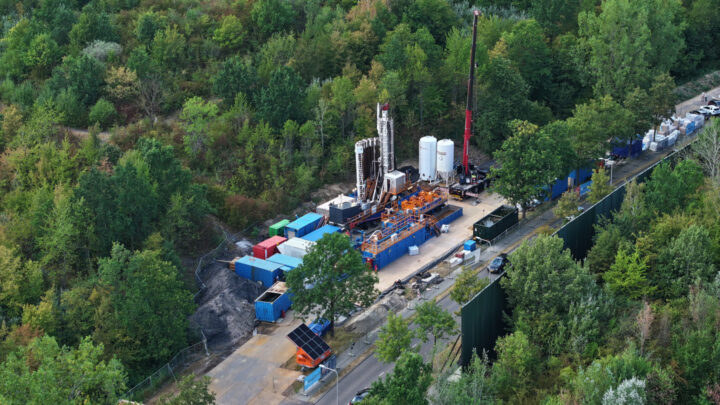
Novi Sad’s district-heating utility has completed geological investigations, drilled the first exploration well and built distribution infrastructure for Mišeluk 3 and 4.
It has also started work connected with a second well and advanced planning to integrate geothermal heat into the local network.
These milestones distinguish the project from a general resource assessment. Physical work on wells and distribution systems indicates that the city is preparing an operating heat asset rather than studying a distant concept.
Because district-heating systems serve many buildings from one network, the project can displace fuel use across a neighbourhood rather than at a single site.
The phased approach also limits initial subsurface risk: data from the second well and the 11MW first stage can inform later expansion.
This sequencing gives Novi Sad a practical way to test reservoir performance, operating costs and network integration before committing to the full 30MW configuration.
Geothermal heat supports Serbia’s renewable targets
Serbia aims to increase renewable energy’s share of final consumption from 26.3% to at least 33.6% by 2030. Geothermal energy can support that target through continuous heat output that does not vary with sunlight or wind conditions.
Yakup Beris, UNDP Serbia Resident Representative, described the wider goal in an exact excerpt: “Our goal is to create conditions for the widespread use of geothermal energy in Serbia, meaning that the initiative being implemented in Mišeluk becomes…”
International support reduces early-stage barriers
The project forms part of the Geothermal Energy in Serbia initiative, implemented with Serbian authorities. Slovakia’s Ministry of Finance has provided more than US$200,000 to support the programme.
This structure combines international technical knowledge, public-sector funding and municipal infrastructure planning. It addresses a common barrier in geothermal development: cities may have promising subsurface resources but lack the specialist engineering, early-stage finance and risk tolerance needed to move from exploration to construction.
ENERGYBYT’s Others coverage tracks geothermal, hydrogen and other emerging energy technologies. The project also reflects the growing use of geothermal resources for thermal applications, including the cooling approach examined in ENERGYBYT’s report on TAQA Geothermal and Strataphy.
A municipal test for scalable geothermal heat
District-heating networks create stable, long-term local demand, making them a practical application for geothermal energy. Once wells and surface systems are operating, the infrastructure can provide predictable heat for decades while reducing dependence on fossil fuels and exposure to volatile fuel prices.
For Serbia, the project offers a chance to test the technical and commercial performance of municipal geothermal heat at meaningful scale. The planned 30MW capacity is large enough to demonstrate whether the resource can become an important component of urban decarbonisation.
Second-well results will shape the expansion
The immediate priorities are the second well, confirmation of resource performance and completion of the first 11MW phase. Engineering decisions will depend on temperature, flow rate, reinjection requirements and the cost of connecting buildings to the network.
If the initial phase performs as planned, Novi Sad could expand toward the full 30MW design and provide operational evidence for similar projects elsewhere in Serbia. The 2027–2028 target will be an important measure of whether the current drilling and network work can translate into commercial heat supply.